
Simplify electronic document processing with government agencies – from eInvoices to regulatory filings with a secure, centralized approach
eDoc Integration uses SAP Integration Suite to automate the processing and secure transmission of electronic documents (such as eInvoices, tax reports, and customs declarations) between your organization and government bodies.
With its intuitive, web-based interface and prebuilt connectors for SAP and non-SAP systems, SAP Integration Suite simplifies complex integration challenges, enabling faster deployments and smoother data flows across your organization.
Central Control
Adaptable Solution
Contact our experts today to learn how SAP Integration Suite can improve your B2G integrations.
SAP Integration Suite provides a library of pre-configured iFlows and templates designed for B2G eDoc scenarios. These ready solutions cover common needs like eInvoicing, tax reporting, and customs declarations - enabling quick implementation without custom development.
Use standardized connectors that enable direct connectivity with government systems and regulatory platforms. These handle authentication, data transformation, and secure transmission, reducing setup complexity.
In most cases, the provided iFlows need only minor adjustments to fit your specific requirements. Modify parameters, mapping rules, and validation settings through an intuitive interface - allowing you to implement a fully functional integration quickly with minimal coding.
The system automatically validates incoming and outgoing documents against required schemas and formats, transforming data as needed to ensure compliance with government specifications.
Track document status and processing in real-time with built-in monitoring tools that provide alerts for exceptions, allowing quick resolution of potential issues before they impact operations.
Automate the creation, validation, and submission of electronic invoices to government tax authorities, ensuring compliance with country-specific requirements like Italy’s FatturaPA.

Manage the electronic filing of customs declarations, certificates of origin, and other trade documents with customs authorities – reducing clearance times and ensuring compliance with international trade regulations.
Streamline the extraction, validation, and submission of VAT returns and tax reports to tax authorities – ensuring accurate calculations and timely compliance with reporting deadlines.

Automate the secure transmission of employee data to social security administrations, tax authorities, and other government agencies – simplifying compliance with labor regulations and reducing administrative burden.

Handle specialized electronic submissions to industry regulators in sectors like healthcare, finance, and utilities – ensuring compliance with sector-specific reporting requirements.
Schedule a consultation with our integration experts today!
Client
Leading Retail Chain
Challenge
The client’s SAP PO platform couldn’t scale or support growth, hindering integrations with modern systems and rapid innovation.
Sulution
Introduction of SAP Integration Suite and migration of selected integrations to a new platform
Results
Client
Global Chemical Manufacturer
Challenge
A global manufacturer faced scaling issues with SAP PO after acquisitions, slowing A2A/B2B integration and operations.
Sulution
Results
Client
Industrial Equipment Manufacturer
Challenge
BizTalk’s outdated system blocked modernization, creating inefficiencies and adaptation challenges.
Sulution
Results
Whether you’re looking for tailored migration solutions or just need more information, we’re here to support you every step of the way. Fill out the form below, and we’ll get back to you promptly.

Radosław Ruciński
SAP Integration Architect / co-owner
tel: +48 450 064 128
e-mail: radoslaw.rucinski@sygeon.com
SAP Integration Suite provides standardized components for electronic document exchange with government platforms. It includes pre-configured templates for common B2G scenarios, adapters for country-specific document formats, and monitoring tools specifically designed for regulatory document tracking.
Yes, SAP offers country-specific content packages for electronic document submission across multiple regions. These packages include pre-built integration flows, document structures, and validation rules that align with local government requirements, reducing implementation effort.
SAP Integration Suite includes transformation capabilities that convert your standard invoice data into country-specific formats like FatturaPA (Italy), Factur-X (France), or KSeF (Poland). The system handles structural requirements, mandatory fields, and digital signature processes required by each format.
Yes, while SAP eDoc integration works seamlessly with SAP ERP systems, it can also connect with non-SAP ERPs through SAP Integration Suite’s extensive adapter library. This allows organizations with diverse system landscapes to implement a unified approach to B2G document exchange.
SAP Integration Suite captures and processes response messages from government platforms, including submission receipts, validation results, and official registration numbers. These acknowledgments are stored with the original documents and can trigger appropriate workflow actions based on the response type.
The solution provides specialized monitoring dashboards for tracking electronic document submissions, showing real-time status updates, success rates, and potential issues. Administrators can configure alerts for critical events like submission failures or approaching deadlines.
SAP Integration Suite supports multiple digital signature approaches required by different governments, including qualified electronic signatures that comply with eIDAS regulations. The system can integrate with certificate authorities and signature service providers as needed for legal compliance.
Government digitalization initiatives have transformed how businesses interact with regulatory authorities. Electronic document exchange is no longer optional – it’s mandatory across numerous jurisdictions, each with distinct technical specifications and compliance requirements. Organizations face increasing pressure to transition from paper-based processes to digital submissions for everything from tax returns to customs declarations.
The complexity multiplies for multinational companies managing compliance across borders. Each country implements unique document standards, validation rules, and submission protocols. Without a structured approach to B2G integration, organizations risk creating a fragmented technological landscape that becomes increasingly difficult to maintain and update as regulations evolve.
SAP Integration Suite addresses this challenge by providing a unified platform for managing electronic document exchange with government entities. Its modular approach allows businesses to implement country-specific requirements while maintaining a consistent technical foundation. This reduces the overhead of compliance management while improving visibility into submission status across organizational boundaries.
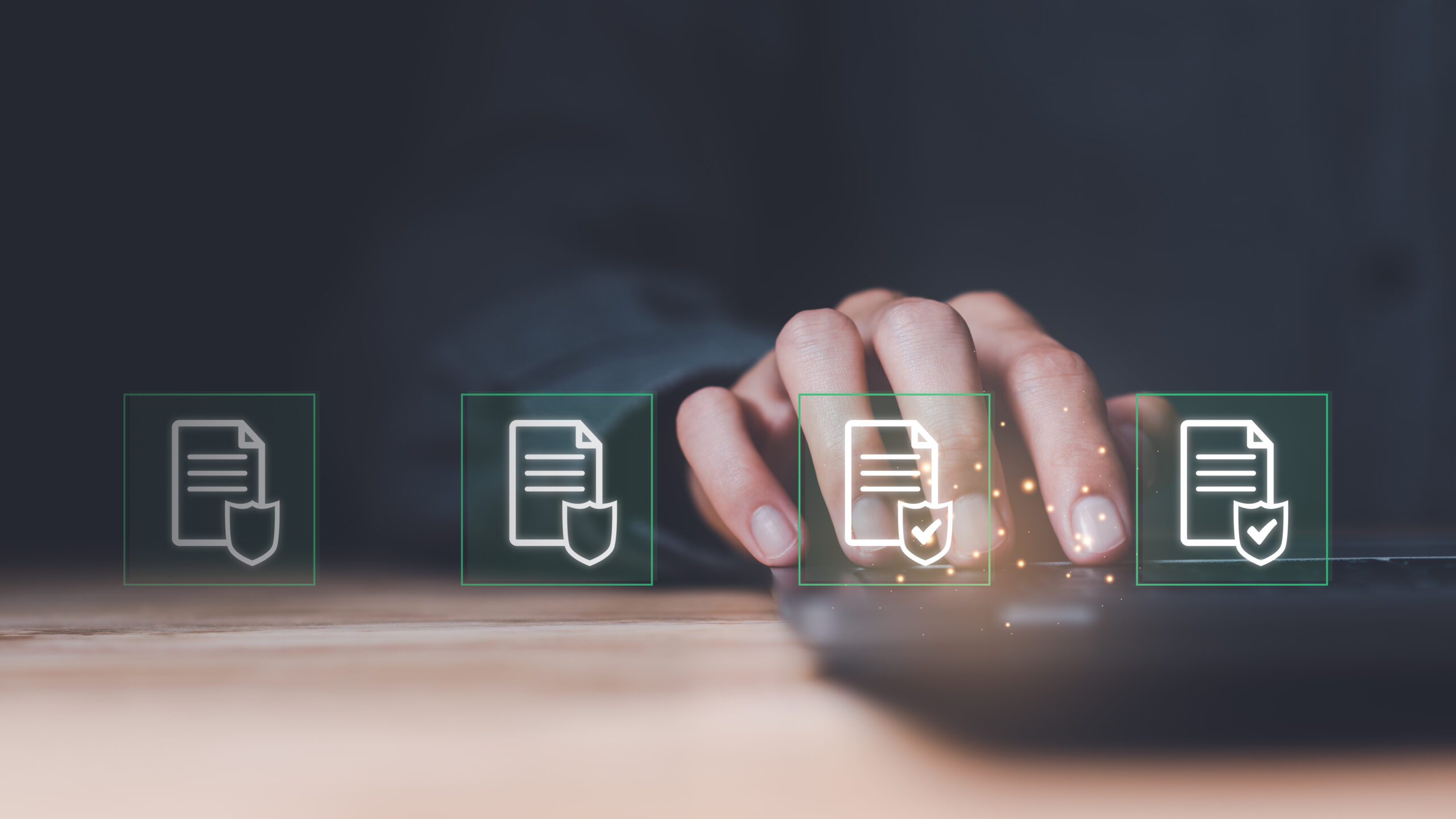
Most organizations approach electronic document exchange as a compliance requirement rather than a business opportunity. This reactive mindset often leads to minimalist implementations that satisfy immediate regulatory needs but miss potential efficiency gains. Forward-thinking companies are discovering that well-designed B2G integration can transform government interactions from a burden into a strategic advantage.
Automated document processing reduces not just compliance risk but also operational costs. By eliminating manual document handling, businesses achieve faster processing times, higher data quality, and better resource allocation. Staff previously dedicated to document preparation and submission can focus on higher-value activities like compliance strategy and process optimization.
The real-time visibility provided by integrated B2G communication creates new opportunities for business insight. Organizations gain accurate visibility into submission volumes, processing times, and exception rates – data that can inform process improvements and resource planning. This transformation from reactive compliance to proactive management represents a significant competitive advantage in regulated industries.

Government digitalization is accelerating worldwide, with tax authorities, customs agencies, and regulatory bodies implementing increasingly sophisticated electronic document requirements. Organizations implementing B2G integration today must consider not just current mandates but also the trajectory of regulatory change. This forward-looking approach prevents costly rework as requirements evolve.
Key trends shaping the future of B2G communication include real-time reporting requirements, continuous transaction controls, and expanded validation rules. Tax authorities are moving beyond simple document acceptance to implementing advanced analytics for fraud detection and compliance verification. This shift requires businesses to rethink their integration architecture to support real-time data exchange and enhanced validation capabilities.
SAP Integration Suite provides the foundation for this evolution through its flexible, cloud-based architecture. Organizations can adapt to changing requirements without major system overhauls by updating integration flows and document schemas as needed. This adaptability is essential for maintaining compliance while controlling costs in an environment of ongoing regulatory change.

tel: +48 450 064 128
e-mail: contact@sygeon.com
Globis Globe Trade Centre
Roosevelta 18
60-829 Poznań
NIP 7811909564