
SAP Integration Suite is an Integration Platform-as-a-Service (iPaaS) that facilitates seamless communication between diverse IT systems, whether on-premise, in the cloud, or across hybrid environments. It offers a comprehensive set of tools to manage and streamline data exchange using various integration models, including APIs, event-driven messaging, and B2B networks. With its intuitive, web-based interface and prebuilt connectors for SAP and non-SAP systems, SAP Integration Suite simplifies complex integration challenges, enabling faster deployments and smoother data flows across your organization.
By addressing these integration challenges, SAP Integration Suite helps businesses simplify architectures, reduce complexity, and unlock new opportunities for growth and innovation.
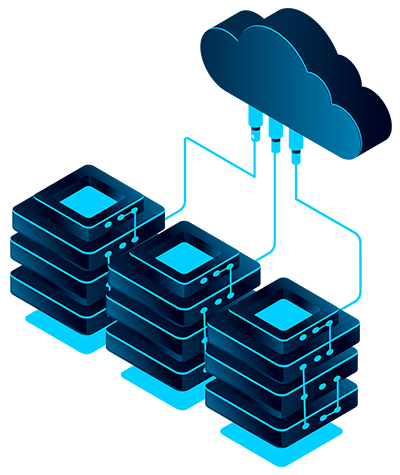
A well-designed landscape minimizes redundant systems and optimizes resource usage.
Clear system boundaries and integration points enable teams to implement new features without disrupting the entire landscape.
Systems designed with resilience in mind reduce downtime risks and recover more quickly from disruptions.
Intentional architecture design incorporates security from the beginning rather than adding it as an afterthought.
Documented data flows and system responsibilities make regulatory compliance more straightforward and audits less stressful.
Let our experts analyze your current state and design a path forward.
SAP Integration Suite provides a unified, web-based environment designed to simplify integration processes across your organization.
We document existing systems, their relationships, and technical debt through workshops with key stakeholders and technical teams.
Current capabilities are compared against business requirements to identify areas where the architecture falls short or creates unnecessary complexity.
We develop a target architecture model that addresses identified gaps while considering technical feasibility and organizational constraints.
A phased approach to moving from current to target state is created, with clear milestones and decision points to manage risks effectively.
Our team provides ongoing guidance during execution, ensuring architectural decisions remain aligned with the intended design.
Before finalizing mergers or acquisitions, we assess technology landscapes to identify integration challenges, redundancies, and potential risks that might affect valuation or integration costs.
Organizations with multiple data centers due to growth or acquisitions need a structured approach to consolidation that minimizes disruption while maximizing cost savings.

We help determine which workloads should move to the cloud, which cloud models (IaaS, PaaS, SaaS) are appropriate for different systems, and how to manage the resulting hybrid landscape.
Before investing in new digital initiatives, we establish a clear understanding of the current landscape and develop an architecture that supports rather than hinders transformation efforts.
After mergers or acquisitions, we design integration approaches that balance quick wins with long-term architectural goals to capture synergies without creating technical debt.
Download our free whitepaper to explore detailed migration strategies and best practices for SAP Integration Suite.
Client
Leading Retail Chain
Challenge
The client’s SAP PO platform couldn’t scale or support growth, hindering integrations with modern systems and rapid innovation.
Sulution
Introduction of SAP Integration Suite and migration of selected integrations to a new platform
Results
Client
Global Chemical Manufacturer
Challenge
A global manufacturer faced scaling issues with SAP PO after acquisitions, slowing A2A/B2B integration and operations.
Sulution
Results
Client
Industrial Equipment Manufacturer
Challenge
BizTalk’s outdated system blocked modernization, creating inefficiencies and adaptation challenges.
Sulution
Results
Whether you’re looking for tailored migration solutions or just need more information, we’re here to support you every step of the way. Fill out the form below, and we’ll get back to you promptly.

Radosław Ruciński
SAP Integration Architect / co-owner
tel: +48 450 064 128
e-mail: radoslaw.rucinski@sygeon.com
Typical deliverables include current state documentation, a target architecture model, gap analysis, transition roadmap, and governance recommendations. These are customized based on your specific needs and the engagement scope.
The timeline varies based on organization size and complexity. Initial assessments typically take 2-4 weeks, while complete landscape design projects may extend to 2-3 months for large enterprises. We structure engagements to deliver incremental value rather than waiting until the end for all insights.
We maintain a vendor-neutral position, focusing on architectural patterns and approaches rather than specific products. When vendor selection is necessary, we provide objective evaluation criteria based on your requirements rather than partnerships or preferences.
We create architectures with clearly defined interfaces and abstraction layers that can accommodate technological changes. Rather than speculating about specific future technologies, we design for adaptability so your landscape can evolve as technologies mature.
Yes, we adapt our approach to work with established frameworks or custom methodologies you may already be using. If you don’t have formal architecture practices, we can help establish right-sized governance appropriate for your organization.
We begin with discovery approaches complemented by structured workshops with key IT personnel. This combination helps establish a baseline understanding quickly without requiring extensive pre-existing documentation.
We establish clear data handling protocols at project initiation, including NDAs, restricted access controls, and secure information sharing. We can work within your security requirements, including using your systems for documentation rather than external tools if necessary.
Our approach identifies quick wins that align with long-term direction, allowing you to address urgent issues while making progress toward strategic goals. We create roadmaps with clear decision points where tactical and strategic considerations are evaluated.
Most organizations face a challenging reality: their IT landscapes have evolved organically rather than by design. This natural evolution creates technical debt – the accumulated cost of choosing expedient solutions over proper architecture. Unlike financial debt that appears on balance sheets, technical debt remains hidden until it manifests as system failures, security breaches, or innovation barriers.
Effective IT landscape design acknowledges this reality by starting with a clear-eyed assessment of current technical debt. Rather than proposing unrealistic “rip and replace” approaches, proper design identifies which legacy components should be modernized, which should be maintained, and which should be phased out. This pragmatic approach allows organizations to balance immediate business needs with long-term architectural goals.
The key lies in creating bounded contexts around legacy systems – clearly defined interfaces that isolate complexity while enabling new capabilities to be built alongside existing systems. This pattern allows technical debt to be managed incrementally rather than requiring massive, high-risk transformation programs that disrupt business operations.

The cloud-first mantras of recent years are giving way to more nuanced approaches as organizations recognize that not all workloads benefit equally from cloud deployment. Modern IT landscape design focuses on identifying the right placement for each system based on factors beyond simple cost comparisons.
Data gravity – the tendency for applications to be deployed close to the data they process – often dictates hybrid approaches where systems with high data dependencies remain on-premise while customer-facing applications move to the cloud. Similarly, systems with specific performance, compliance, or integration requirements may function better in private data centers, while those needing elastic scaling benefit from public cloud environments.
Effective landscape design creates clear integration patterns between these environments, managing the complexity of hybrid deployments through standardized interfaces, consistent security models, and unified monitoring. This approach allows organizations to capture cloud benefits where appropriate while maintaining on-premise systems where they make more sense technically or economically.
Forward-looking IT landscape design has evolved beyond documenting system connections to creating true digital platforms. These platforms abstract underlying complexity through well-designed APIs and services, creating reusable capabilities that accelerate new initiative development.
This platform approach transforms IT architecture from a technical exercise to a business enabler. Instead of each new business initiative requiring custom system integration, digital platforms provide ready-to-use capabilities that business teams can compose into new products and services. The result is dramatically faster time-to-market for new ideas and significantly lower costs for innovation.
Implementing this approach requires shifting from project-based thinking to product-based architecture. Systems are no longer designed to meet specific project requirements but rather to provide capabilities that can be reused across multiple business initiatives. This shift represents the most significant evolution in IT landscape design – moving from documenting what exists to creating foundations for what might be possible.

tel: +48 450 064 128
e-mail: contact@sygeon.com
Globis Globe Trade Centre
Roosevelta 18
60-829 Poznań
NIP 7811909564